Should I repair or replace a leaking roof?
It depends mainly on the roof's age, the extent of the damage, and how often it leaks. Repair when the roof is relatively young or sound and the leak comes from an isolated source, and replace when the roof is near the end of its life, the damage is widespread, or leaks keep recurring. For a New Point homeowner, the cost-effective choice matches the decision to the roof's actual condition, which a professional assessment can clarify. The goal is to avoid both over-repairing a failing roof and prematurely replacing a sound one, so gathering the facts about your roof is what points to the right path.
Does a leak always mean I need a new roof?
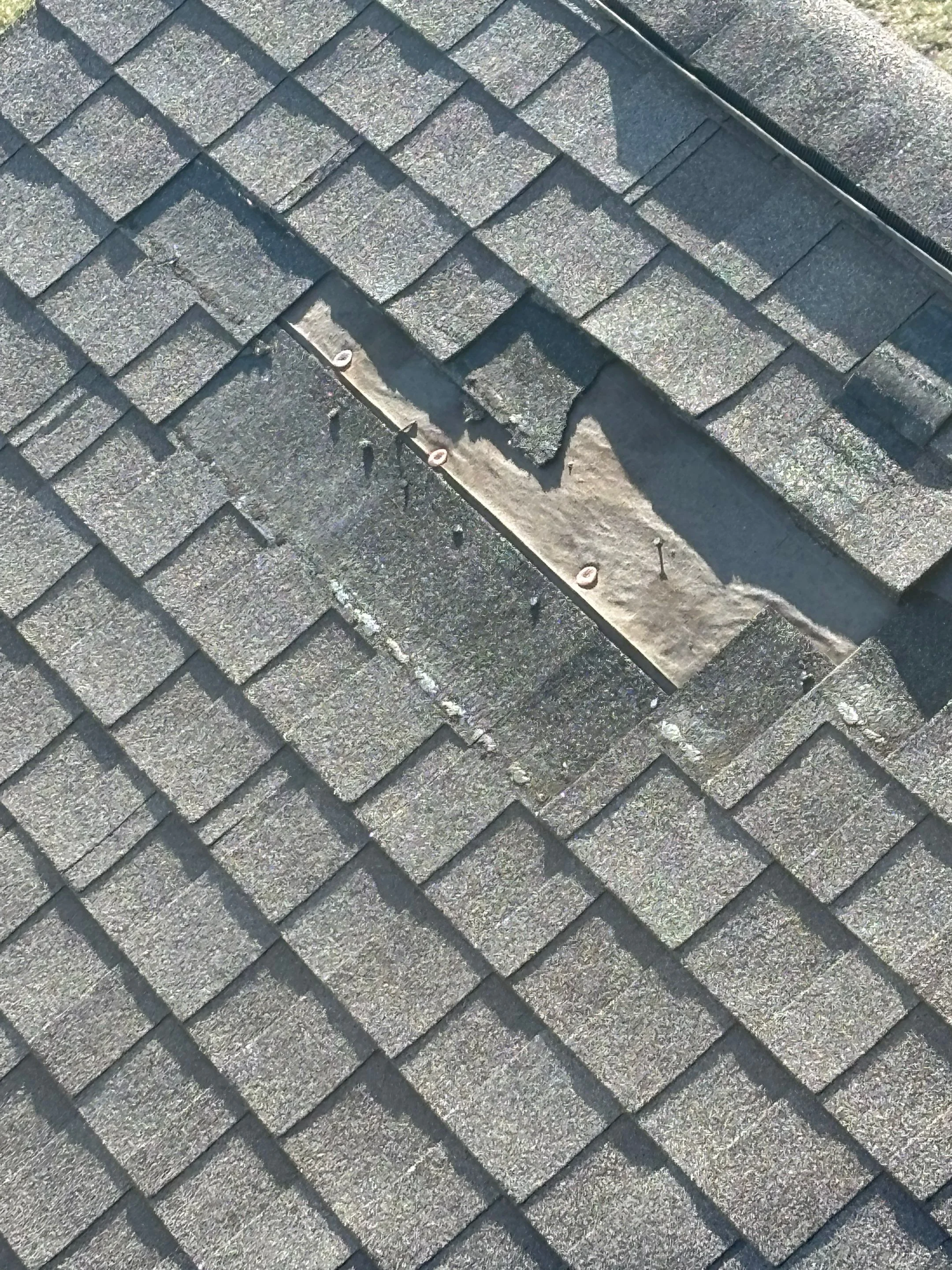
No, a leak frequently comes from an isolated, fixable source on a roof that is otherwise sound and has years of life left, so one leak rarely means you need a new roof. For a New Point homeowner, this is reassuring, since replacing a roof over a single isolated leak would often waste money a targeted repair could save. The exception is when the leak is a symptom of broad failure, such as on an old roof or one that leaks repeatedly. So a leak signals the need to assess the roof, but it does not automatically mean replacement, which depends on the roof's overall condition.
How does decking damage affect the choice?
Decking damage can shift the decision toward replacement, since the wood beneath the roofing is structural and cannot simply be patched over. A leak caught early may leave the decking sound, supporting a repair, while a long-standing or widespread leak that has rotted the decking changes the picture. For a New Point homeowner, the decking's condition can turn an apparently simple leak into a larger project, so it is an important part of the assessment. Localized decking damage may still allow a repair that replaces the affected boards, but broad decking deterioration generally tips the decision toward replacement, since the underlying structure has been compromised by the water intrusion.
Is it worth repairing an old roof?
It can be, if the leak is a single isolated issue and you need to buy some time, but repairs on an old roof are often temporary, since a roof near the end of its life tends to develop more leaks. For a New Point homeowner, repairing an old roof makes sense as a short-term measure or when the damage is genuinely confined, but replacement is frequently the wiser long-term investment for an aged roof. The risk is spending repeatedly on patches that only delay the inevitable. A professional assessment can determine whether the old roof has enough life left to justify a repair or whether replacement is the more sensible choice.
How do I decide between repair and replacement?
Weigh the roof's age, the extent and source of the leak, how often it leaks, the decking's condition, and the comparative cost over the long term, ideally with a professional assessment. Repair a sound roof with an isolated leak, and replace one that is failing, broadly damaged, or leaking repeatedly. For a New Point homeowner, the right decision follows from these facts rather than guesswork or a default to the cheapest option. New Point Roofing helps New Point homeowners weigh these factors with honest assessments and estimates for both repair and replacement, so the choice fits the roof. Call (463) 220-0721 to find out whether repairing or replacing your leaking roof is the better path.
How do I know how bad the damage is?
The reliable way is a professional inspection, since the extent of damage, especially to the decking and underlying structure, is hard to judge from the ground. For a New Point homeowner, knowing whether the damage is localized or widespread is essential to the decision, and only a proper assessment reveals it. A leak that looks minor can hide significant decking rot, while one that seems serious may be an isolated, fixable issue. Getting the damage accurately assessed by a roofer is what allows an informed repair-or-replace decision rather than a guess, since the true condition of the roof beneath the surface is what the choice ultimately depends on.
Will insurance cover a repair or replacement?
Insurance may cover a repair or replacement when the leak results from sudden, covered damage like a storm, leaving you responsible mainly for the deductible, but age-related wear is generally not covered. For a New Point homeowner, whether insurance applies depends on the cause of the damage, so checking with your insurer is worthwhile, since it can change the out-of-pocket cost of either path. If a covered event caused significant damage, insurance may make replacement more affordable than it first appears. A professional can document the damage to support a claim, and establishing what is covered is a useful step before deciding between repairing and replacing.
When should I replace instead of repair?
Replace instead of repair when the roof is near or past the end of its life, the damage is widespread, or leaks recur despite proper repairs. In these cases, repairs become a losing battle, since fixing one leak on a failing roof often just precedes the next. For a New Point homeowner, replacement is the wiser investment when the roof's overall condition, rather than one isolated spot, is the problem, since repeated patches on a worn-out roof cost more over time and never resolve the underlying deterioration. A roof that leaks repeatedly or shows broad wear is signaling that its useful life is ending, making replacement the more cost-effective long-term choice.
Why does my roof keep leaking after repairs?
A roof that keeps leaking after repairs usually means the true source was not fully addressed, there are multiple sources, or the roof is broadly failing so new leaks keep appearing. For a New Point homeowner, recurring leaks after proper repairs are a strong sign the roof may be reaching the end of its useful life, since a sound roof does not repeatedly fail. If a single repair was simply done poorly, a better repair may fix it, but if leaks appear in different places, the roof's overall condition is likely the issue. In that case, replacement rather than continued patching is often the sensible answer to the recurring leaks.
Is repair or replacement more cost-effective?
It depends on the roof's condition over the long term, not just the upfront price. Repair is far cheaper immediately and is the cost-effective choice on a sound roof with an isolated leak, while replacement is more economical when the roof is failing, since repeated repairs on a worn-out roof can total more than a replacement. For a New Point homeowner, the cost-effective option matches the roof's actual condition, so the meaningful comparison is whether the repair is a one-time fix or the first of many. Estimates for both paths, grounded in an honest assessment, are what reveal which option truly costs less over the life of the roof.
How does the age of my roof affect the decision?
Age is one of the clearest guides. A roof well within its expected lifespan usually warrants repair, since it has many years left, while a roof at or beyond the end of its expected life is often better replaced, since repairs only postpone an inevitable replacement. For a New Point homeowner, comparing the roof's age to how long its material typically lasts provides a strong starting point, since a young roof rarely justifies replacement over one leak and an old one rarely justifies ongoing repairs. Age does not decide the matter alone, but combined with the damage extent and leak history, it heavily informs whether repairing or replacing is the right call.
When is a roof repair enough?
A repair is enough when the roof is in good overall condition and the leak has a specific, identifiable source, like a failed flashing, a few damaged shingles, or a worn seal. If the roof has years of life left and the damage is localized, fixing that source restores it affordably. For a New Point homeowner, a repair suffices for many leaks, since most on a sound roof are isolated problems rather than signs of broad failure. The key is that the surrounding roofing is in good shape, so the repair bonds well and the leak is genuinely confined to one area rather than part of a larger pattern of deterioration.